Learn TCP, UDP, IP addresses, port numbers, common service ports, listening sockets, and established connections using safe Linux commands.
Understanding Ports, Protocols and Network Connections in Linux
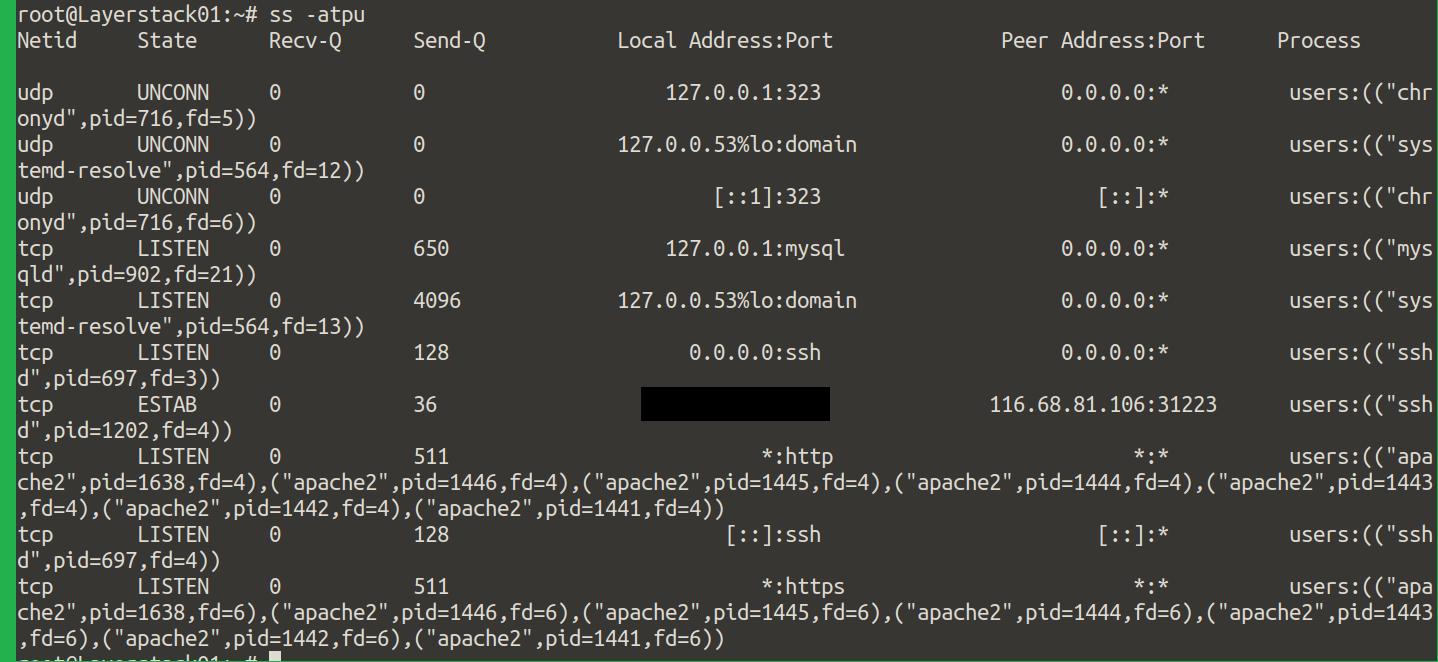


Learn TCP, UDP, IP addresses, port numbers, common service ports, listening sockets, and established connections using safe Linux commands.
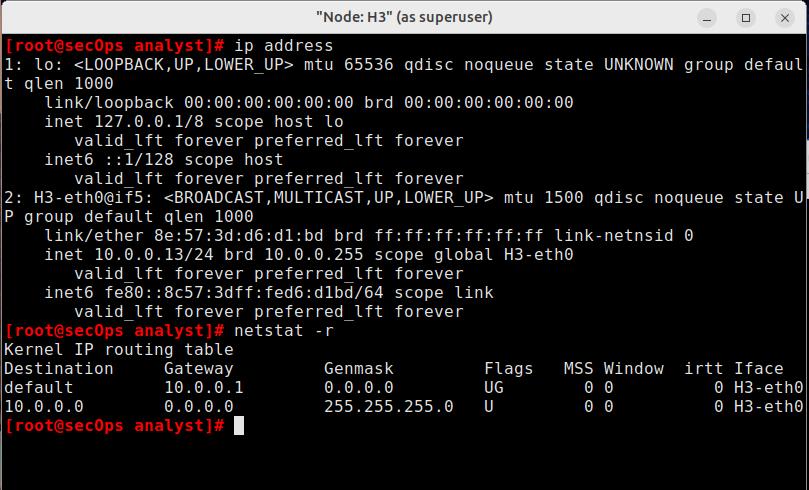
Learn Linux networking commands including ip addr, ip route, ss, ping, hostname, and DNS lookup tools with safe examples and a practical lab.
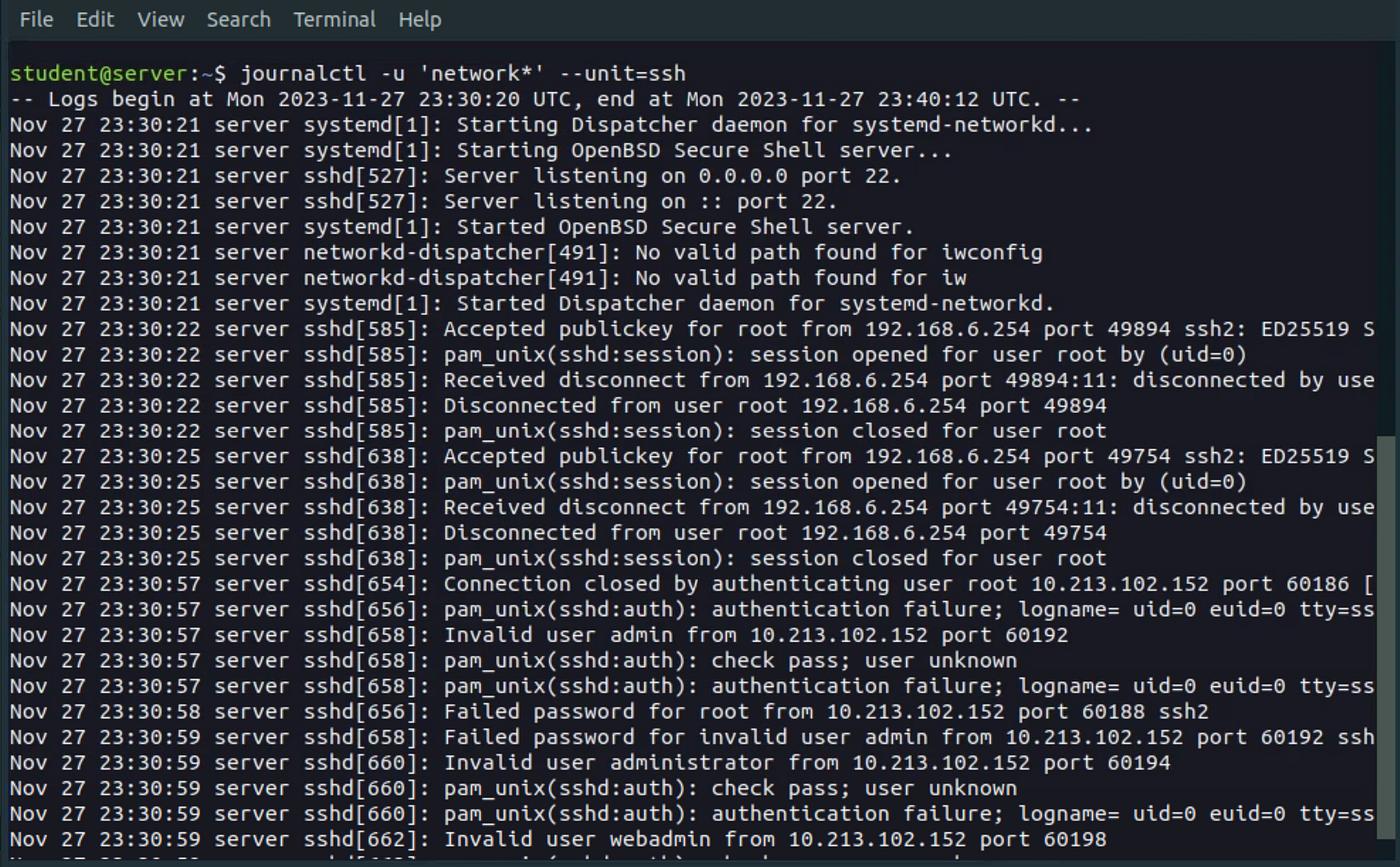
Learn Linux system and application logs, common log locations, journalctl, grep, less, head, tail, timestamps, and safe beginner log-analysis techniques.
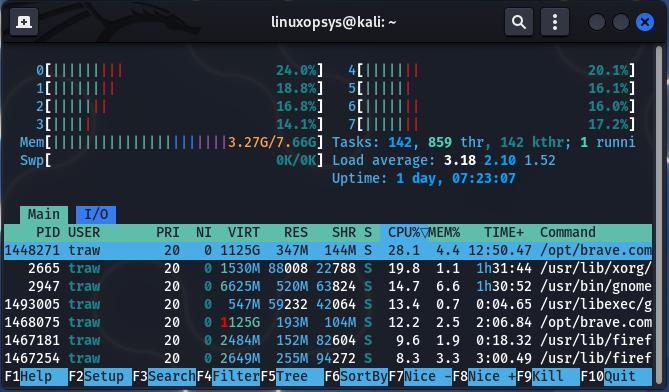
Learn Linux processes, PIDs, background jobs, services, CPU and memory monitoring using ps, top, free, uptime, and system ctl status.
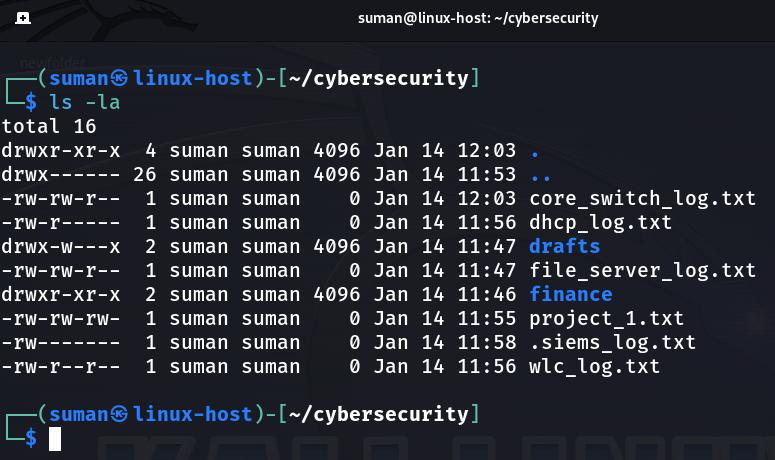
Learn Linux file permissions, read/write/execute access, ownership, users, groups, chmod, chown, and safe permission management with practical examples.
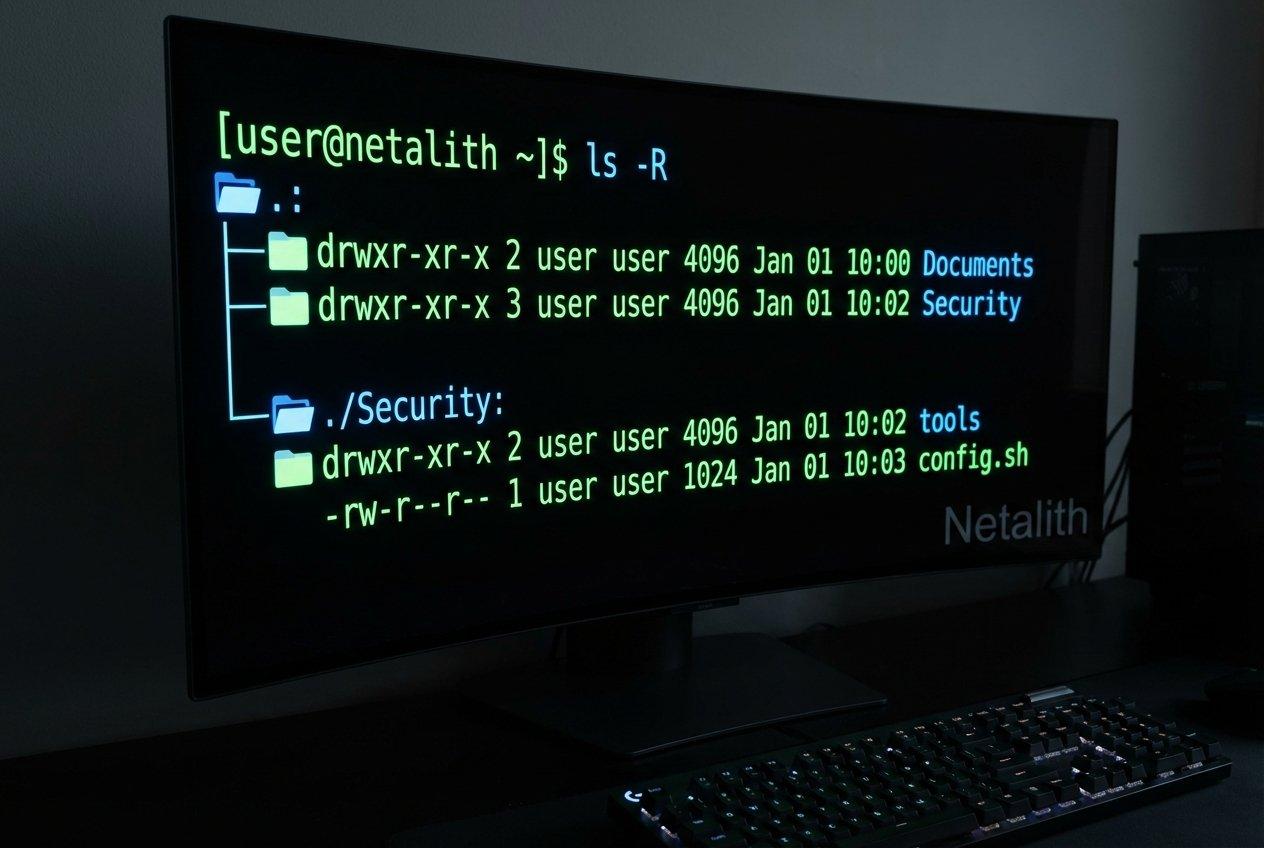
Learn essential Linux commands for cybersecurity, including file navigation, text viewing, searching, system information, processes, and safe terminal practice.
Learn what Linux is, how distributions and the Linux kernel work, why cybersecurity professionals use Linux, and how to practise safely with basic terminal commands.
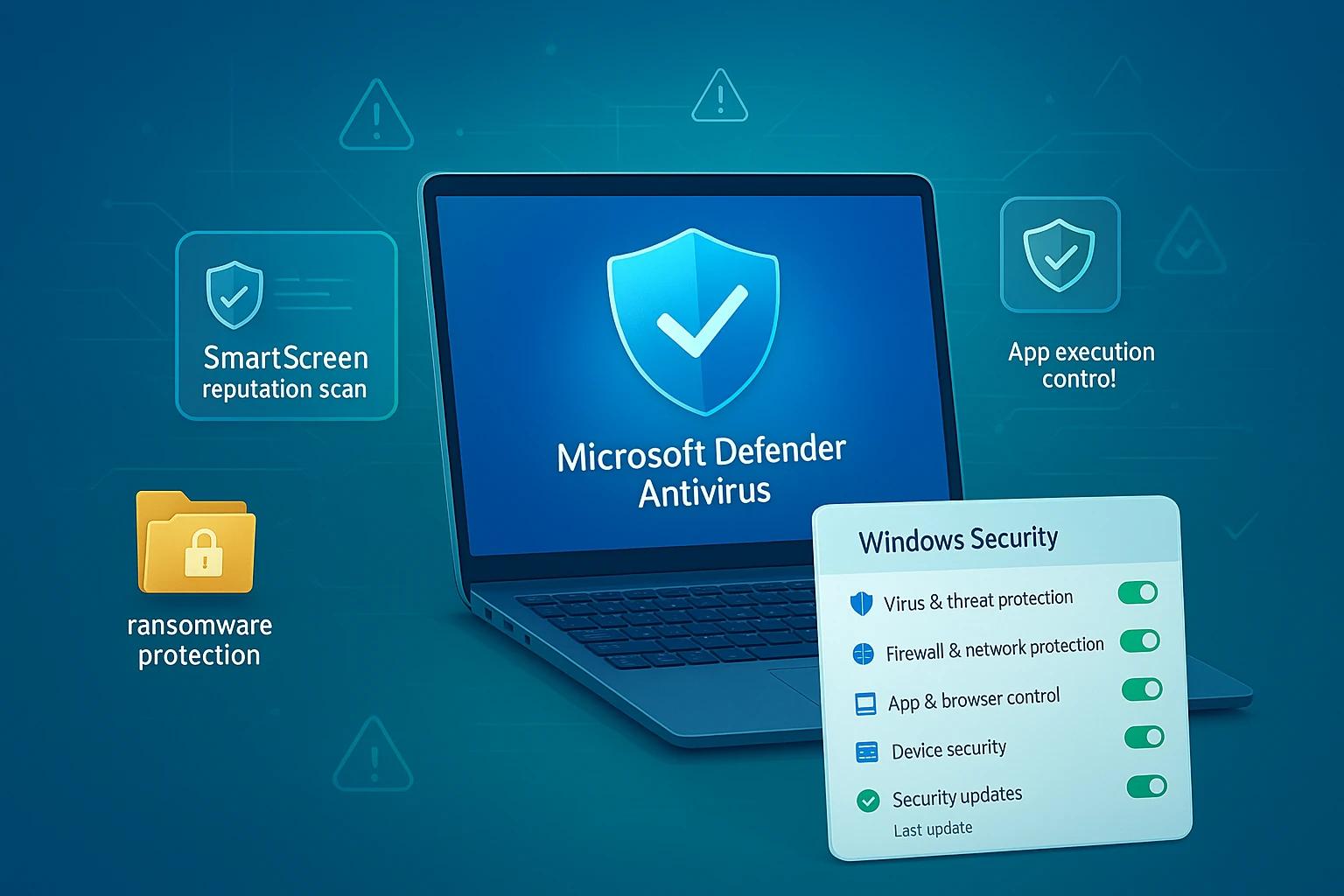
Learn how to secure a Windows computer with software updates, Windows Security, firewall protection, safe downloads, account security, and regular backups

Learn what a firewall is, how hardware and software firewalls work, how firewall rules protect networks, and how to review firewall settings safely.

Learn what two-factor authentication is, how authentication apps and security keys work, and how to protect your online accounts from unauthorized access.